P/N 2455038-2: General Aviation Cooling Component
P/N 2455038-2: General Aviation Cooling Component
Blog Article
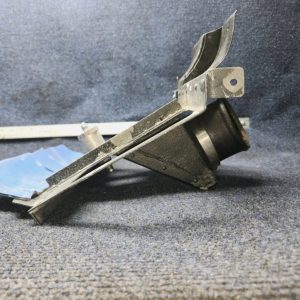
The Cessna 172RG Rear RH Baffle Assembly
Whether buyers search for a Cessna 172RG Rear Right-Hand Baffle, Cessna 172RG Engine Baffle, or Cessna 172RG Cooling Baffle, individual condition and aircraft compatibility should guide the purchase.
The Cessna 172RG Baffle Assembly works with surrounding seals and panels, while the Rear RH Engine Baffle should not be evaluated as an isolated piece.
An Aircraft Cooling Air Baffle may also be marketed as a Cessna 172RG Airflow Baffle when its exact location, orientation, and part number are stated accurately.
The Cessna Aircraft Engine Baffle may provide replacement value when its geometry, mounting points, seals, and material condition remain suitable.
Identifying the Cessna 172RG Rear RH Baffle
Complete part-number verification reduces incorrect purchasing and unnecessary installation work.
Any alternate number, superseded number, drawing reference, repair marking, or donor-aircraft serial number should remain connected with the component.
Purpose of the Rear RH Engine Baffle
The rear right-hand baffle helps guide cooling air through intended paths around the engine installation rather than allowing it to escape through uncontrolled gaps.
Engine condition, instrumentation, seals, cowling, operations, and surrounding baffles should be considered during troubleshooting.
Aircraft Model and Serial Applicability
The Cessna 172RG Cutlass may contain production changes, previous repairs, engine modifications, or altered cooling-system components that affect fitment.
Mounting holes should not be enlarged or relocated casually to force alignment.
Cessna Baffle Flanges and Brackets
Preserving original geometry supports proper alignment and airflow management.
Unauthorized bending, hammering, heating, grinding, drilling, or trimming can damage the assembly and affect its relationship with adjacent components.
Aircraft Cooling Component Inspection
Both sides should be examined under suitable lighting, especially around bends, corners, mounting holes, stiffeners, and seal-retaining edges.
Qualified evaluation helps Aircraft Engine Baffle Assembly determine whether repair, replacement, or rejection is appropriate.
Maintaining an Effective Cooling Boundary
Accurate seal information helps buyers calculate the complete repair requirements.
Seal attachment holes and retaining strips should be inspected for corrosion, cracking, elongation, and previous modification.
Protecting Aircraft Cooling Components
Corrosion inspection should address exposed surfaces, overlapping joints, fastener areas, lower edges, brackets, and locations where moisture or contaminants can collect.
Oil, fuel, cleaning chemicals, battery residue, exhaust deposits, moisture, and salt exposure can affect engine-compartment sheet metal and protective finishes.
Maintaining Secure Baffle Connections
Detailed attachment-point inspection supports accurate repair planning.
Forced alignment can preload thin sheet metal and contribute to recurring cracks.
Planning a Complete Baffle Repair
A rear-baffle replacement may require adjacent baffles, seals, brackets, clips, fasteners, retainers, supports, and cowling-related components.
Clear component control reduces accidental installation of unverified engine-compartment parts.
Baffle-Related Temperature Problems
Complete troubleshooting helps prevent unnecessary replacement and repeated maintenance.
Maintenance personnel should identify all relevant findings and correct them through appropriate procedures.
Cessna Baffle Repair Considerations
A localized defect may be repairable, while widespread cracking, severe corrosion, or distorted geometry may support replacement.
Patches or replacement brackets should not create interference with the engine, cowling, controls, wiring, hoses, or exhaust system.
Evaluating a Used Aircraft Cooling Baffle
A clean appearance can improve presentation but does not replace detailed inspection.
The listing should state whether the component is new, used, repaired, inspected, untested, serviceable, or offered for parts.
Aircraft Engine Baffle Pre-Purchase Guide
A detailed review reduces unsuitable purchases and unexpected repair costs.
- Resolve identity, compatibility, orientation, and package-completeness questions before payment.
- Inspect the baffle for cracks, corrosion, pitting, dents, buckling, distortion, elongated holes, fretting, broken brackets, damaged flanges, and previous repairs.
- Confirm the invoice, payment protection, packaging method, shipping insurance, inspection period, return conditions, and stated component status.
Preventing Damage During Storage
Professional packaging helps preserve the geometry of the Engine Cooling Baffle Assembly.
Heavy objects should never be stacked on the baffle.
Professional Engine Baffle Installation
Any mismatch should be investigated rather than corrected through uncontrolled force or modification.
Adjacent baffles, seals, brackets, cowling surfaces, wiring, hoses, controls, and exhaust components should remain free from unresolved damage or interference.
Abnormal vibration, rubbing, loose hardware, unusual temperature indications, or cowling interference should receive prompt attention.
Protecting Aircraft Cooling Components
Long-term maintenance includes periodic inspection of the baffle, seals, fasteners, brackets, adjacent panels, cowling contact areas, protective finishes, and corrosion-prone locations.
Protective finishes should be maintained so exposed material does not remain vulnerable to moisture and contaminants.
P/N 2455038-2
When professionally inspected, fitted, installed, documented, and maintained, the Cessna 172RG Rear RH Baffle Assembly
Aviation maintenance personnel should evaluate the assembly before repair, alteration, installation, or operational release.
Whether buyers need a Cessna 172RG Baffle Assembly, Rear RH Engine Baffle, Aircraft Engine Baffle Assembly, or Cessna Engine Cooling Baffle, aircraft-specific compatibility should be verified.
With transparent donor history, protected shipping, correct fitment, qualified repair planning, and effective seal installation, the component can support a professional Cessna 172RG project.
Report this page